Travel Like A Travel Blogger – These Are My 5 Top Micro Adventure Planning Tips
If you think the adventures of travel and outdoor bloggers look like effortless fun, the reality can be a bit different, especially when you’re going solo! Read to learn about the things I consider when planning solo travels and I also share my top 5 micro adventure planning tips...
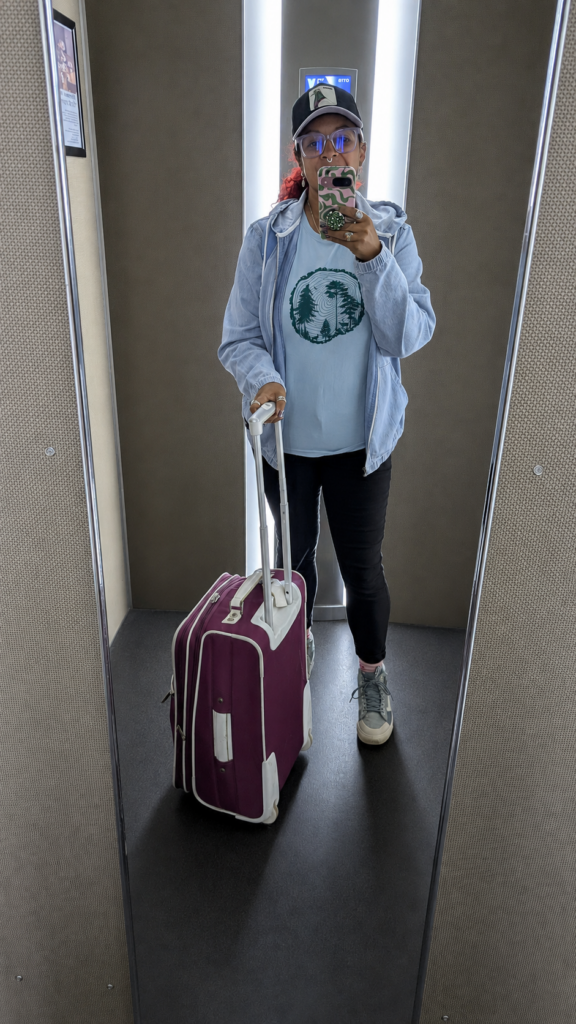
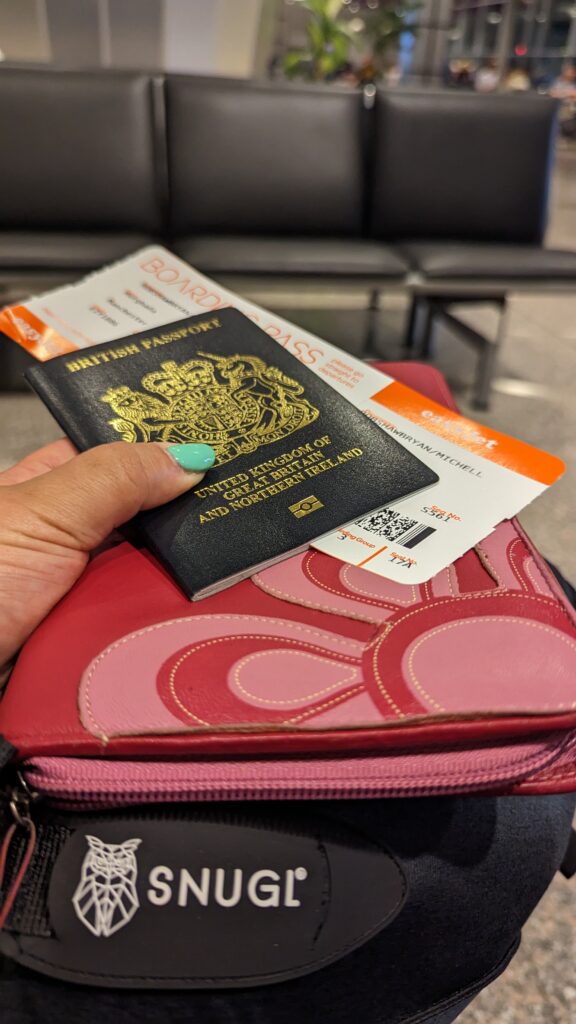
A proper holiday is great, but not always viable when annual leave is limited, so I’m a huge fan of micro adventures. I think it’s important to always have something in my diary to look forward to, and having something to get excited about keeps me going.
I’ve historically been really awful at resting, so I tend to plan most of my spare time and I rarely have a truly free weekend, you know the kind when you just potter around at home binge-watching box sets and catching up on household jobs? I maybe get a handful of weekends like that a year.

If I’m not actually doing stuff, I’m usually planning what stuff I am going to do in the near future, and the last couple of weeks have seen me finalising plans for what has become my annual Easter road trip.
Having a full time day job and very limited leave means I have to be smart about going away, so I usually maximise my weekends by booking a day or two, or even just half a day either side of a weekend or a bank holiday to give myself a little more time. When it comes to travelling 400+ miles though, it’s not something I tend to do for just short stay, so each Easter for the last few years, I’ve used the bank holidays to my advantage, allowing me to minimise the annual leave I need to use up to get a decent 5 day break in.
The longer duration means I’m happy to spend all day driving as there is still plenty of time to rest and have fun once I arrive. So this year, just like the past 2 years, I’m heading up to Scotland, to Loch Lomond and the Trossachs National Park, an area I’ve come to know and love. Last year I went glamping near Loch Tay and whilst there I walked up Ben Lawers, and went kayaking on Loch Tay on a gloriously sunny day and I had a total and utter blast.
This year, although I’m going back to the same national park, I’m going to be visiting a totally different part and have been planning what I’ll do whilst I’m there. It goes without saying that whatever I do, it has to include walking up a mountain. I see a peak and feel compelled to reach the top of it, and as I’m staying right beside Loch Katrine, I’m hoping to get out onto the water too.

I still haven’t invested in a rigid kayak but I’m seriously tempted. I do have an inflatable kayak which seemed like a great idea, but I find the logistics of inflating it using my car pump and then attempting to carry it difficult. Dragging an inflatable kayak in the same way you can with a rigid really isn’t a good idea, so for solo adventures, I don’t find it very practical.
This leads me to the realisation that once again I’ll probably end up hiring a kayak, but the appeal of having my own, permanently at my disposal and not having to clock watch to see when my time is up does appeal massively.
Sometimes when travel bloggers write about our adventures, they might seem spontaneous, even effortless, but that couldn’t be further from the truth. For solo trips that involve travelling long distances and especially when I’m planning big walks and outdoor adventures on my own, an awful lot of research and preparation goes into it.
So where do I start when I’m planning a trip like this? How do I decide where to go, when to go and what I’ll do when I get there? When it comes to organising a short break or a micro adventure, my planning process goes something like this…
5 Top Micro Adventure Planning Tips From A Travel Blogger
1. How much time is available?
I always start here. The number of days I have available determines how far I can go. To get up to Scotland or down to Cornwall it takes the best part of a day’s driving, so I’ll only consider clocking up serious miles for a 3-night or longer stay. The Easter break provides the perfect opportunity to book a longer 4-night stay without having to use too much precious annual leave.
Can you grab a little extra time by leaving after work on a Friday evening and returning on a Sunday? If you’re lucky enough to have flexi-time, this can be the perfect way to use it, alternatively, take advantage of half days of leave if you can, but remember, you can fit a lot into just 24 hours!
2. What’s the time of year?
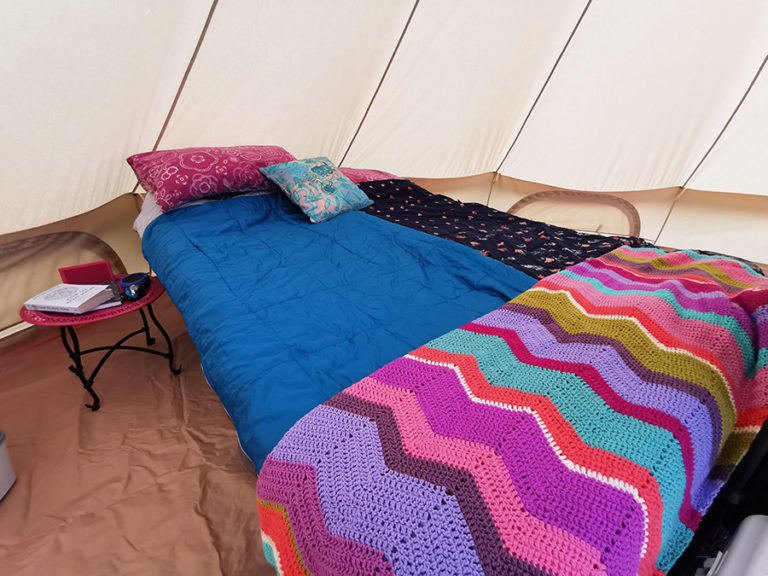
The time of year largely determines accommodation choice. You won’t find me going to the effort of pitching a tent at a campsite with an EHU in the middle of December for just one night, likewise, consider that some campsites are seasonal anyway and won’t be open in winter. On solo trips, I’ve got to be honest, the convenience (and warmth!) of glamping, hotels or an Airbnb makes a far more appealing and sensible choice during winter.
Don’t get me wrong, I love camping and spend as much time as possible in my tent, but when it comes to a break during Spring, clement weather is no guarantee. The convenience of heating and electricity means I can stay connected to the outside world when I want to, and I’ll be warm and dry, so for solo adventures in early spring or winter, glamping is usually my first pick, though I’m also quite partial to a bougie slope-side fully catered snowboarding chalet in winter too.

I particularly love boarding on bluebird days in the Alps in spring, though there’s a bit of a balancing act to be done in terms of ever-increasing temperatures and rapidly melting snow, so if you’re hitting the slopes, be mindful of where you choose and make sure you head somewhere with a really good snow base and spring record first. You can read about my recent solo snowboarding trip to La Plagne with Will I Ski if you fancy it.
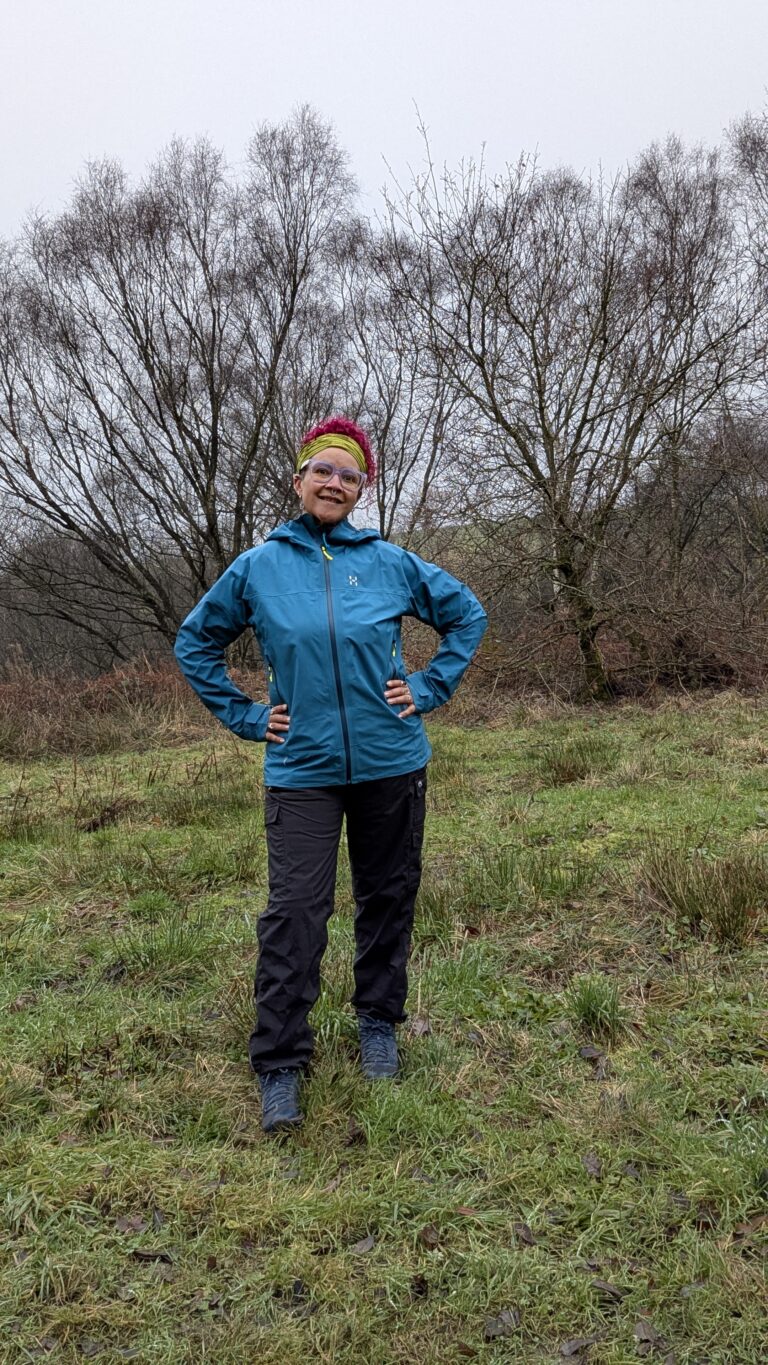
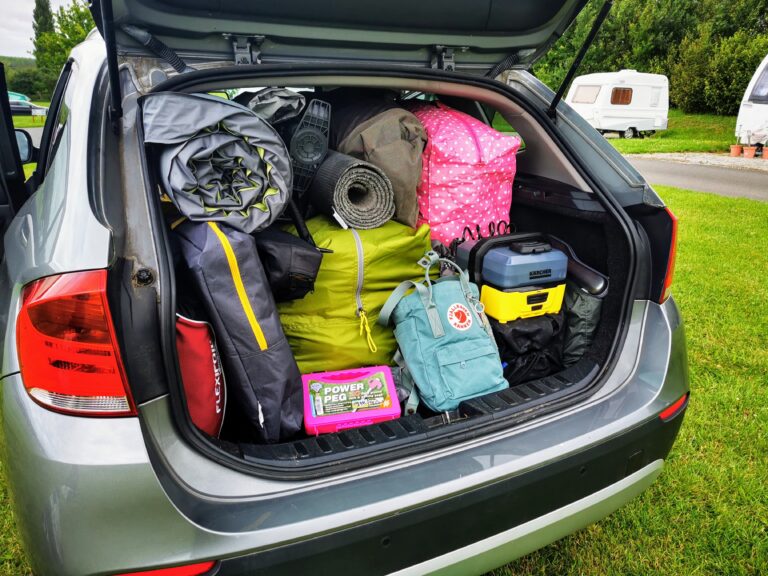
When I need to limit booking annual leave and don’t want to stray too far from home, Easter can be hit or miss weather-wise here in the UK, especially when it falls early, so as well as affecting my destination and accommodation choice, it also determines my packing list.

3. Where do you want to go?
I have a long list of places that I want to visit in the UK, but I’m always drawn to mountains, lakes and the coast. This makes places like Wales, the Lake District and Scotland perfect for me. I usually decide loosely where I want to visit and then start looking at accommodation and things to do in specific areas which ultimately determines where I end up visiting.
I keep a list of glamping sites, cities and countries I’m keen to visit as well as quirk visitor attractions I like the look of. I keep track of mine using a private board on Pinterest, but you could just as easily create bookmarks or even, if you’re so inclined, create a spreadsheet. Doing this means you’ll never be short of inspiration and will have one less thing holding you back if you suddenly find yourself feeling inspired to take off.
4. What do you want to do or see?
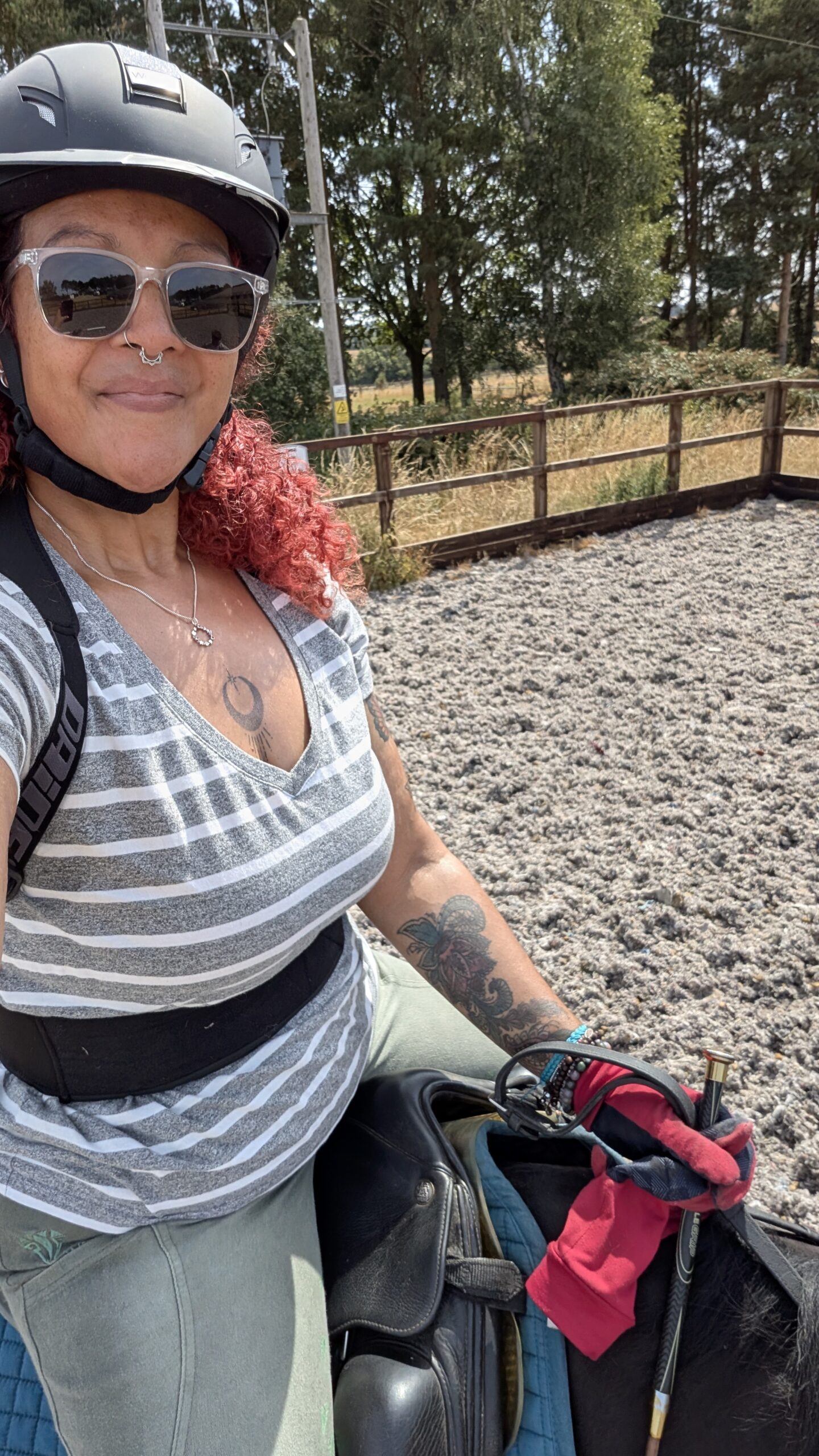
The things I enjoy doing are pretty easy to plan for, and include something water based (kayaking, wild swimming or a boat trip), something land based (usually a hill, riding or a mountain walk) and ‘something else’ (usually something touristy, like visiting a local attraction). A decent day-hike to reach a summit is always a must and takes the most thought though when you’re going solo.
I don’t have great navigational confidence, so I select my summits with great care, ensuring the route is as idiot-proof as possible. Some experts hate it, but I do admit to relying heavily on AllTrails and it works for my modest needs. I also make sure I’m tracking myself using my Garmin Venu 3S which also automatically logs to Strava and generates my route map.
Once I’ve decided on a few possible options, I then research them, starting with my own walking books and looking at walking websites to view existing planned routes, looking at route images and watching videos to get a real feel for the walk. Finally, once I’ve decided, I use my OS Maps app to download a map of the area that can be used offline.
Two final safety considerations: I also use Life360 so everyone in my family group automatically knows where I am, and I always take a small additional battery pack just in case.

5. Define and plan within your budget
Luckily when it comes to basic UK-based short breaks, I rarely have to worry too much about budget, but I do like to try and ensure my accommodation costs are ‘reasonable’. For a solo stay I tend to not want to spend any more than about £80 per night for glamping accommodation.
I’m also happy to stay in cheap accommodation on a family holiday park out of season, a caravan can provide a surprisingly high level of comfort for very little money and out of season, you won’t get the hustle and bustle you’d experience in high season.
I use Monzo to create various savings ‘pots’ and have one for micro adventures. Which means I’ve almost always got a little bit put away and can take off on short notice, leave allowing. Even if it’s £150 saved in a pot, it can really help towards costs and can even entirely remove the affordability barrier of a winter weekend break.
Do consider too though, that after factoring in a full tank of fuel, food, a horse riding hack or paddle board hire, car parking and so on, a short break can quickly get expensive, so if I scrimp anywhere, it’s often on the accommodation.
Obviously, camping keeps costs down to an absolute minimum, but I also endlessly look for offers and discounts. Occasionally, by following glamping sites or self-catering cottages on social media, they’ll post about last-minute availability, sometimes at a discount.